Station 77
Station 77 is a fixed camera survival horror game set aboard a space station. Elliot Paul Lockerby, a maintenance worker aboard the station, wakes up from a coma to discover that he is now alone aboard the near-derilict station, or so it seems...
Design
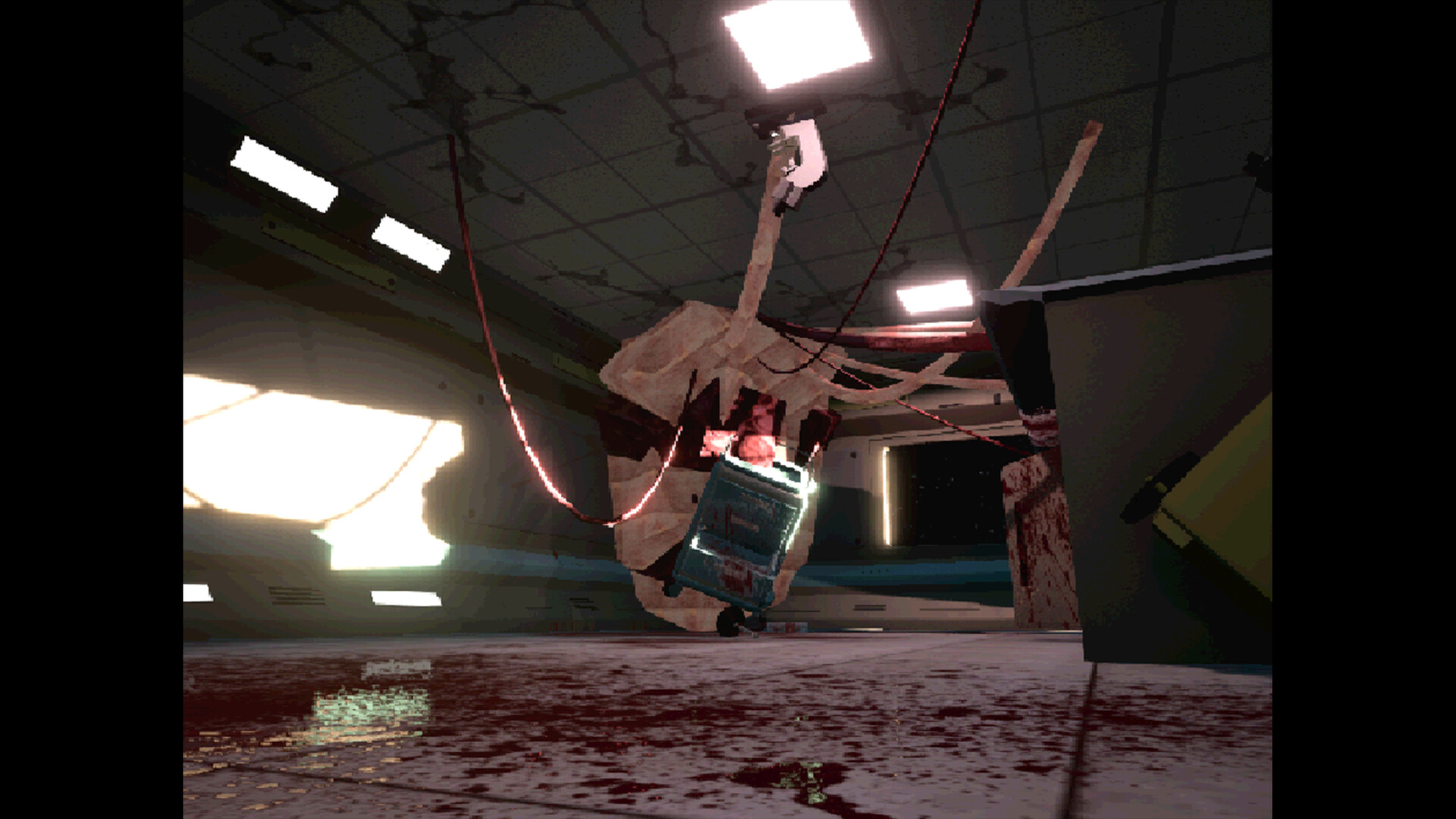
Playing as Elliot, you must explore the different wings of the station solving puzzles and fixing systems all the while avoiding the relentless monster stalking you through the station's halls. The game draws heavy inspiration from games such as Alien Isolation, and much of the Resident Evil series. A point of focus is the freedom to explore the station largely at your leisure, encouraged by a keycard system wherein keycards found in late game areas unlock certain rooms in areas from the very beginning of the game.
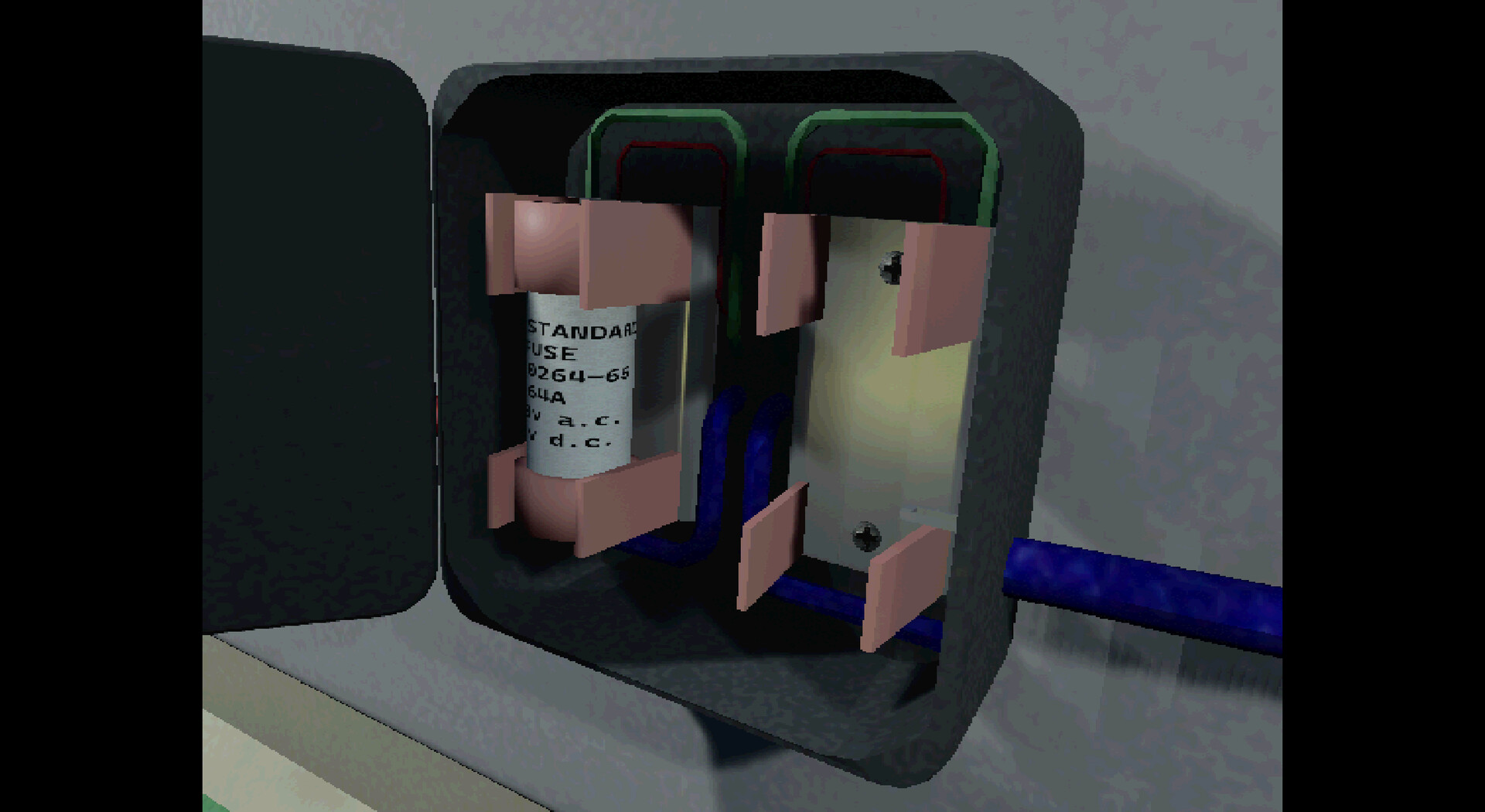
The artstyle of the game is not uncommon for the indie sector, using a higher poly model spec than PSX, but compressing the colours and rendering at a lower resolution to create a pixellated visual effect. It creates something at the midpoint between the early 3D look of the PS1 (Resident Evil 2 1998) and more recent PSX aesthetics inspired by it (Iron Lung, Ultrakill), and the broader visual style of cinematic PS2 games (Silent Hill 2, Final Fantasy X).
Technicals
One of the things I'm most proud of on this project is the custom pathfinding system I built for it. Representing each level of the game as a grid of points, I was able to write an implementation of the A* pathfinding algorithm, which takes advantage of Unreal Engine's very easy to use multithreading library. The array of points that is returned by the A* function is then used by the monster to move through the levels.
There were a number of reasons for writing a custom pathfinding system instead of using Unreal's built in options. Firstly I experienced unexpected behaviour with trying to get NPC's to navigate enclosed spaces using the navmesh system. While those problems likely could have been overcome, there was also a degree of curiosity on my part with regards to how pathfinding works. From there onwards it was matter of learning all sorts of ancilliary factors, such as the necessity for multithreading, and binding visual script delegates with return values.
Other stuff
Of course I'm not the only person working on this game, a small team of friends is very kindly helping me. The team is as follows:
- Robert Drozdz || Mechanic and level design + secondary programming
- Saskia Long || 3D artist
- Harry Briton || Music
- Lauren Webb || Character artist
- Marianne Cassidy || Narrative consultant